Standard attributes of B4C
Boron carbide (B4C) is an inorganic compound with a solid structure, mostly composed of boron and carbon elements. Its excellent residential or commercial properties in different applications make it a crucial functional material. The density of B4C has to do with 2.52 g/cm ³, which is lighter than other common protecting materials. On top of that, the melting factor of B4C is as high as 2450 ° C, enabling it to preserve good framework and performance in high temperature settings.
B4C has a very high neutron absorption cross-section, and its shielding impact on fast neutrons is particularly considerable. Neutrons are typically not bound by typical materials such as lead or light weight aluminum, and B4C can successfully absorb neutrons and transform them right into gamma rays, therefore decreasing the harmful effects of radiation. Therefore, B4C ends up being an optimal selection for making neutron securing materials.
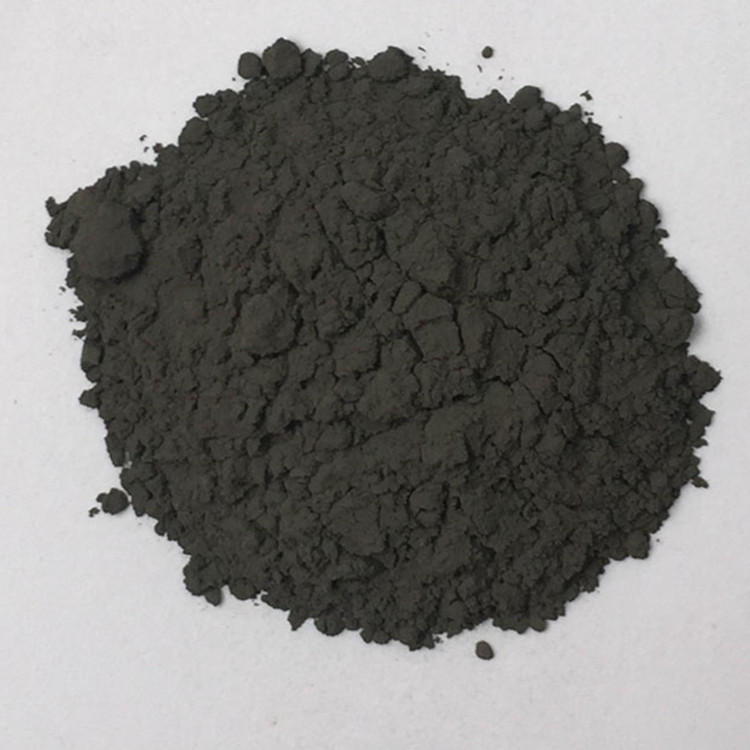
(TRUNNANO Boron Carbide Powder)
The role of polyethylene
Polyethylene (PE) is a common thermoplastic that is extensively made use of in different areas because of its excellent optical, chemical and electric insulation homes. In nuclear radiation protection, integrating B4C with polyethylene can not just enhance the strength and use resistance of the material, but likewise reduce the total weight of the product, making it much easier to set up and use.
When polyethylene guards neutrons, it reduces them down by ramming them. Although the neutron absorption ability of polyethylene is far much less than that of B4C, its deceleration and buffering homes can be completely utilized in the design of composite materials to improve the overall shielding result.
Preparation procedure of B4C polyethylene board
The process of making B4C polyethylene composite panels entails multiple actions. First, high-purity B4C powder should be prepared via high-temperature solid-phase synthesis. After that, the B4C powder is combined with polyethylene material in a specific percentage. During the mixing process, B4C bits are evenly dispersed in the polyethylene matrix by using mechanical stirring and hot pressing.
After molding, annealing is carried out. This procedure aids release internal stress and anxiety and improve the general efficiency of the material. Ultimately, the finished B4C polyethylene panels are cut into the needed specs to assist in subsequent construction and use.
(TRUNNANO Boron Carbide Powder)
Vendor of Boron Carbide Powder
TRUNNANO is a supplier of 3D Printing Materials with over 12 years experience in nano-building energy conservation and nanotechnology development. It accepts payment via Credit Card, T/T, West Union and Paypal. Trunnano will ship the goods to customers overseas through FedEx, DHL, by air, or by sea. If you want to know more about boron carbide blasting gun, please feel free to contact us and send an inquiry.
Inquiry us